Infrared vs. Traditional Saunas: A Comprehensive Comparison
Michael Chen
Sauna Specialist
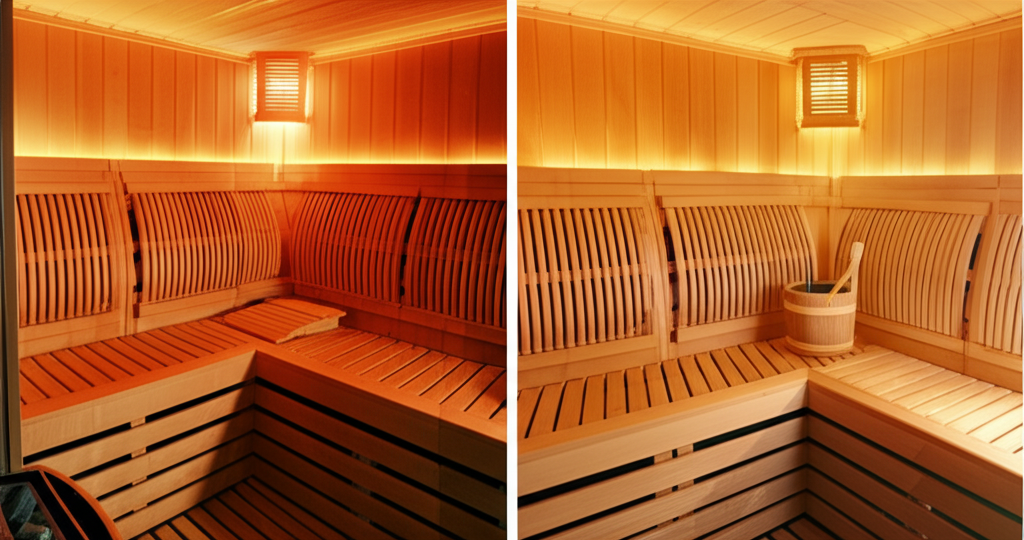
When shopping for a home sauna, one of the first decisions you'll face is choosing between infrared and traditional models. Both offer impressive health benefits, but they work in fundamentally different ways and provide distinct experiences. This comprehensive guide will help you understand the key differences and choose the type that best suits your wellness goals, preferences, and practical considerations.
How They Work: The Fundamental Difference
The most significant difference between infrared and traditional saunas lies in how they generate heat and warm your body.
Traditional Saunas: Heating the Air
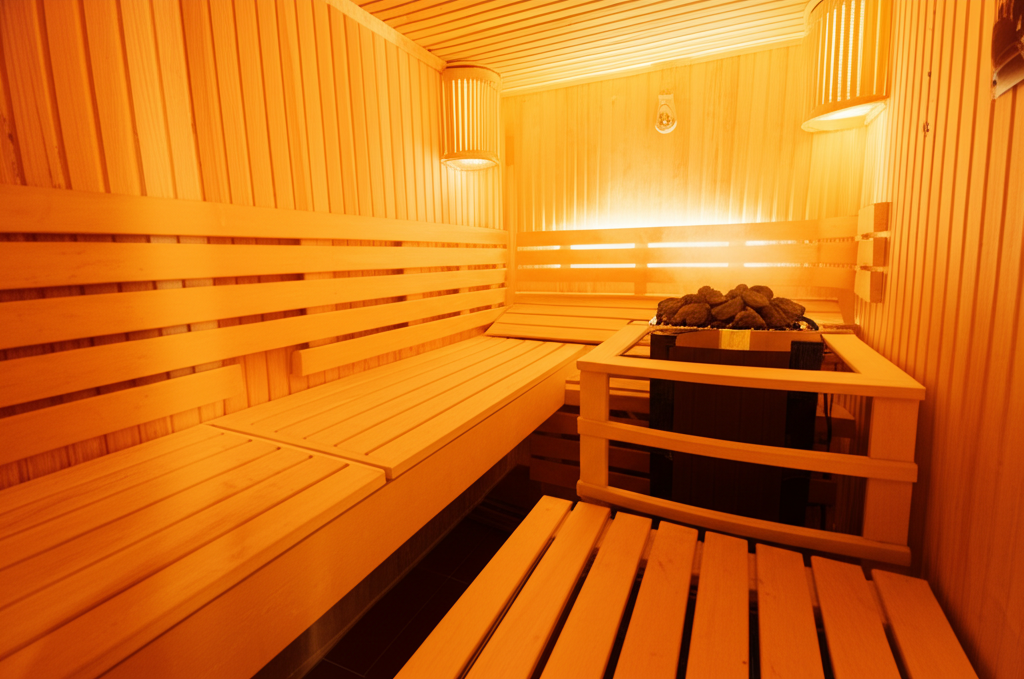
Traditional saunas, also known as Finnish saunas, use a heater (typically electric or wood-burning) to warm stones, which then heat the air in the sauna cabin. This creates a high-temperature environment (typically 170-200°F) with relatively low humidity (unless water is added to the hot stones to create steam). Your body warms as the hot air heats your skin and you breathe in the heated air.
Infrared Saunas: Direct Body Heating
Infrared saunas use infrared heaters to emit infrared light, which is absorbed directly by your body without significantly heating the surrounding air. These saunas operate at lower temperatures (typically 120-140°F) while still producing profuse sweating. The infrared rays penetrate your skin to a depth of about 1.5 inches, warming your body from within rather than heating the air around you.
Quick Comparison: At a Glance
Health Benefits: Similarities and Differences
Both sauna types offer impressive health benefits, with significant overlap but also some unique advantages to each.
Shared Benefits
- Improved circulation
- Stress reduction and relaxation
- Muscle pain relief
- Detoxification through sweating
- Skin cleansing
- Improved sleep
- Cardiovascular benefits
Traditional Sauna Advantages
The higher temperatures and option for humidity control in traditional saunas create some specific benefits:
- More intense sweating: The extreme heat produces profuse sweating quickly, which some users prefer for detoxification.
- Respiratory benefits: The hot air can help open airways and loosen congestion, especially when steam is added.
- Authentic experience: For those seeking the traditional Finnish sauna experience, nothing else quite compares.
- Social aspect: Traditional saunas often accommodate more people and have a long history as social spaces.
Infrared Sauna Advantages
Infrared technology offers some unique benefits:
- Deeper tissue penetration: Infrared heat penetrates more deeply into muscles and joints, potentially offering better pain relief for certain conditions.
- More comfortable for heat-sensitive users: The lower ambient temperature makes infrared saunas more tolerable for those who find traditional saunas too intense.
- Longer sessions possible: Due to the lower temperature, many users can comfortably stay in an infrared sauna longer.
- Potentially more efficient detoxification: Some research suggests the direct heating of tissues may mobilize toxins more effectively at the cellular level.
The User Experience: What to Expect
Beyond the technical differences, the actual experience of using these two sauna types differs significantly.
Traditional Sauna Experience
Entering a traditional sauna, you'll immediately feel the intense heat envelop you. The air is hot and dry (unless water is added to the stones), creating an immediate warming sensation on your skin. Many users describe a "cleansing" feeling as they begin to sweat profusely, usually within minutes.
The experience can be intensified by adding water to the hot stones, creating steam (known as "löyly" in Finnish tradition) that temporarily increases humidity and heat sensation. This practice is central to the authentic Finnish sauna experience but is not possible with infrared saunas.
Infrared Sauna Experience
The infrared experience is notably gentler. When you enter an infrared sauna, the air temperature feels comfortable—similar to a hot day rather than the intense heat of a traditional sauna. Within a few minutes, however, you'll begin to sweat as the infrared rays penetrate your tissues and raise your core temperature. Many users describe the experience as more "gentle" yet still deeply warming.
Unlike traditional saunas, where the heat can sometimes feel overwhelming on your respiratory system, infrared saunas allow for easier breathing. This makes them particularly popular among those with respiratory sensitivities or those who find traditional saunas too intense.
Session Duration and Frequency
Due to the lower temperatures, most people can comfortably stay in an infrared sauna longer—typically 30-45 minutes compared to 15-20 minutes in a traditional sauna. This extended session time may enhance certain benefits that are time-dependent.
For both types, regular use (2-4 times per week) is recommended to experience the full range of health benefits.
Practical Considerations: Installation, Maintenance, and Cost
Installation Requirements
Traditional Sauna Requirements
- Dedicated electrical circuit (typically 220V/40-60 amp)
- Proper ventilation system
- Moisture-resistant flooring
- More space (typically larger units)
- More complex installation process
Infrared Sauna Requirements
- Standard electrical outlet (typically 110-120V)
- Minimal ventilation needs
- Can be placed on any level surface
- More compact options available
- Often plug-and-play installation
Energy Efficiency and Operating Costs
Infrared saunas generally consume less electricity than traditional saunas due to their lower operating temperatures and faster heat-up times. A typical infrared sauna might use 1.5-2 kW per hour, while a traditional sauna often requires 4.5-9 kW per hour.
This difference in energy consumption translates to lower operating costs for infrared saunas, which can be a significant consideration for frequent users.
Maintenance Requirements
Both sauna types require regular cleaning, but traditional saunas may need more attention due to the higher moisture levels and potential for mildew. Infrared saunas typically have fewer components that might need replacement, potentially resulting in lower long-term maintenance costs.
Initial Cost Comparison
The price ranges for both types overlap significantly, with entry-level models of either type starting around $1,500-2,000 and high-end models reaching $10,000 or more. However, when comparing similar sizes and quality levels, infrared saunas are often slightly less expensive than their traditional counterparts.
Making Your Decision: Key Questions to Consider
To determine which sauna type is right for you, consider these questions:
- What experience are you seeking? If you prefer the authentic, intense heat of a traditional Finnish sauna experience, a traditional model is your best choice. If you prefer a gentler, more comfortable heat that you can enjoy for longer sessions, infrared might be better suited to your needs.
- What are your primary health goals? While both offer similar benefits, traditional saunas may have an edge for respiratory conditions, while infrared saunas might be superior for deep muscle and joint pain.
- What are your installation constraints? If you have limited space or cannot accommodate special electrical requirements, an infrared sauna will generally be easier to install.
- How important is energy efficiency? If operating costs are a significant concern, infrared saunas typically consume less electricity.
- Do you have heat sensitivity? If you find intense heat uncomfortable or have medical conditions that make extreme heat inadvisable, an infrared sauna offers a more moderate temperature experience.
Hybrid Saunas: The Best of Both Worlds?
If you're having trouble deciding between the two types, you might consider a hybrid sauna that combines both traditional and infrared heating elements. These models allow you to choose which heating method to use for each session, providing maximum flexibility.
While hybrid models tend to be more expensive initially, they offer the versatility to experience both types of sauna therapy without needing two separate units.
Conclusion: There's No Wrong Choice
Both traditional and infrared saunas offer impressive health benefits and enjoyable experiences. Your choice ultimately comes down to personal preference, practical considerations, and specific wellness goals.
Many sauna enthusiasts actually end up owning both types over time, appreciating each for its unique qualities. Whichever you choose, regular sauna use is likely to become a cherished part of your wellness routine, offering benefits for both body and mind.
At Batharena, we offer premium models of both traditional and infrared saunas, as well as hybrid options. Our sauna specialists are available to help you navigate this important decision and find the perfect sauna for your needs.
Related Articles

Find Your Perfect Sauna
Browse our collection of premium traditional, infrared, and hybrid saunas to find the perfect match for your wellness goals and home.